Working with a team from diverse backgrounds we recruited, tested and analyzed results of a target set of users for a Northwest Outdoor Retail and presented our findings to company stakeholders in an effort to improve their Classes And Events online registration experience.
My Role
Testing Recruitment
Study Preparation
Research Synthesis
Data Visualization
Stakeholder Presentation
Tools
Morae
Software Usability Score (SUS)
Adobe InDesign & Illustrator
Slack
Microsoft Office (Excel, Powerpoint)
Study Approach
We conducted a moderated usability study to evaluate the discoverability and usability of our client's Classes & Events registration experience.
Participants: 8 current outdoor enthusiasts (ages 25–45) with active memberships
Method: In-person, task-based usability testing using a think-aloud protocol
Scope: Finding classes, searching/filtering events, registering individuals and groups, and locating cancellation policies
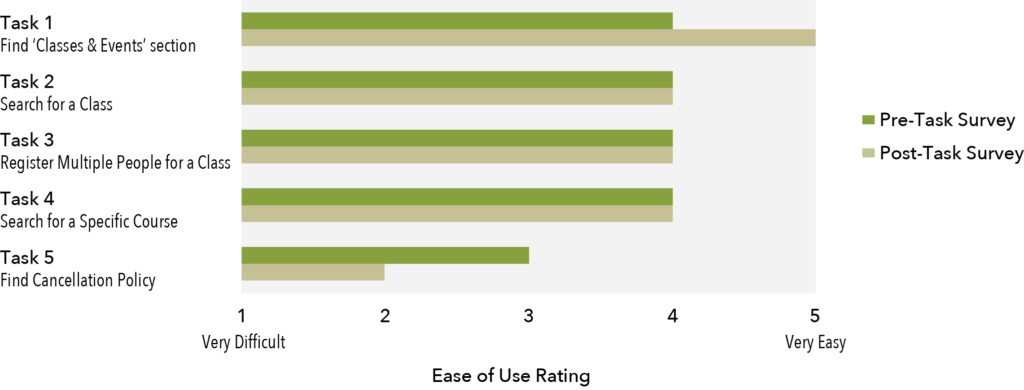
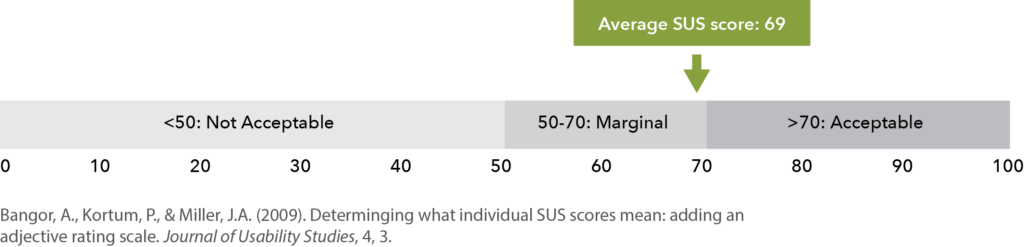
Metrics: Task success rates, observed usability issues, ease-of-use ratings, word association, and SUS
Data captured: Behavioral observations, task failures/delays, qualitative feedback, and participant quotes
Reporting: Issues were prioritized using severity (level of impact on task completion) and scope (percentage of participants encountering the issue)
Study Overview
We designed tasks to reflect the most critical user goals and business risks in the Classes & Events experience:
Usability Study Task list
1
Find Classes & Events Section
2
Search for a Class
3
Register Multiple People
4
Search for a Specific Class
5
Learn about Cancellation Policy
Key Findings & Why It Mattered
Limited visibility into class schedules made planning difficult
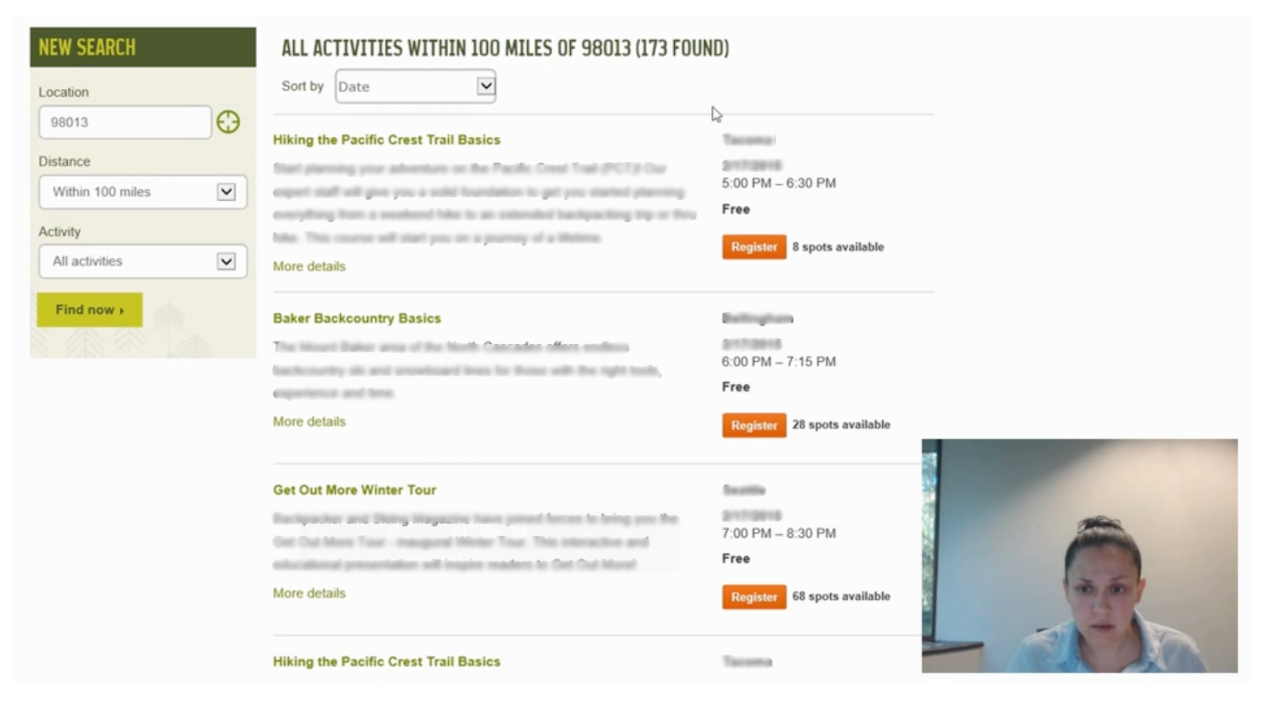
Many participants wanted to compare multiple dates for a class or view events in a calendar format, but the search results page didn’t clearly indicate that additional options were available.
Search and filtering did not match user expectationss
Users expected to filter by location, skill level, and multiple interests at once, but current tools were too rigid or unclear.
Location information caused confusion and uncertainty
Users often couldn’t easily tell the difference between store locations and event locations, which created uncertainty about where an event would actually take place.
Post-registration communication lacked clarity
After registering, users were unsure about next steps, logistics, or where to find key information.
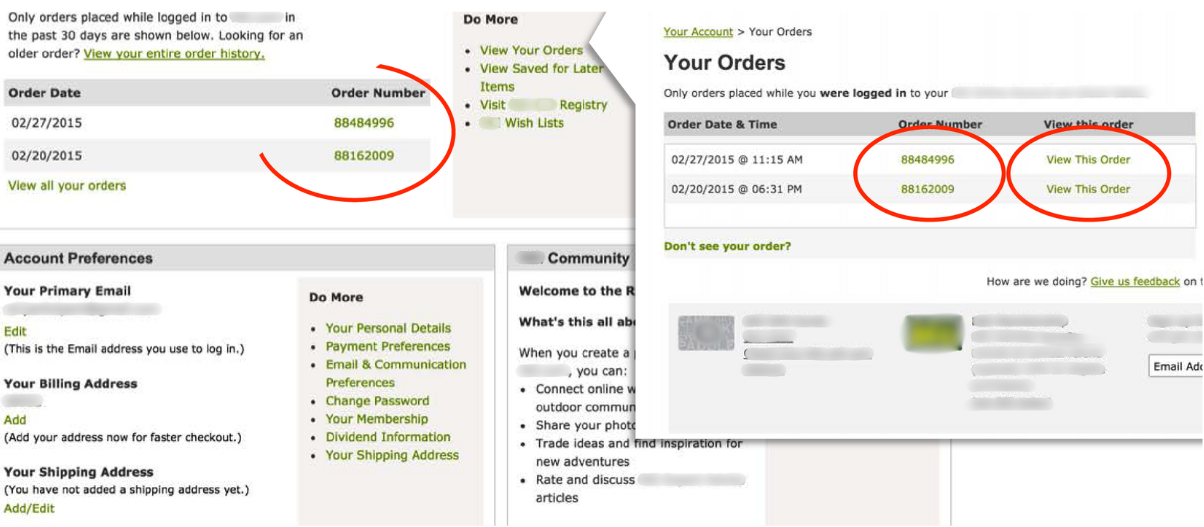
Cancellation and order management links were hard to find or broken
Users struggled to locate cancellation policies and encountered broken order-related links.
Stakeholder Communication
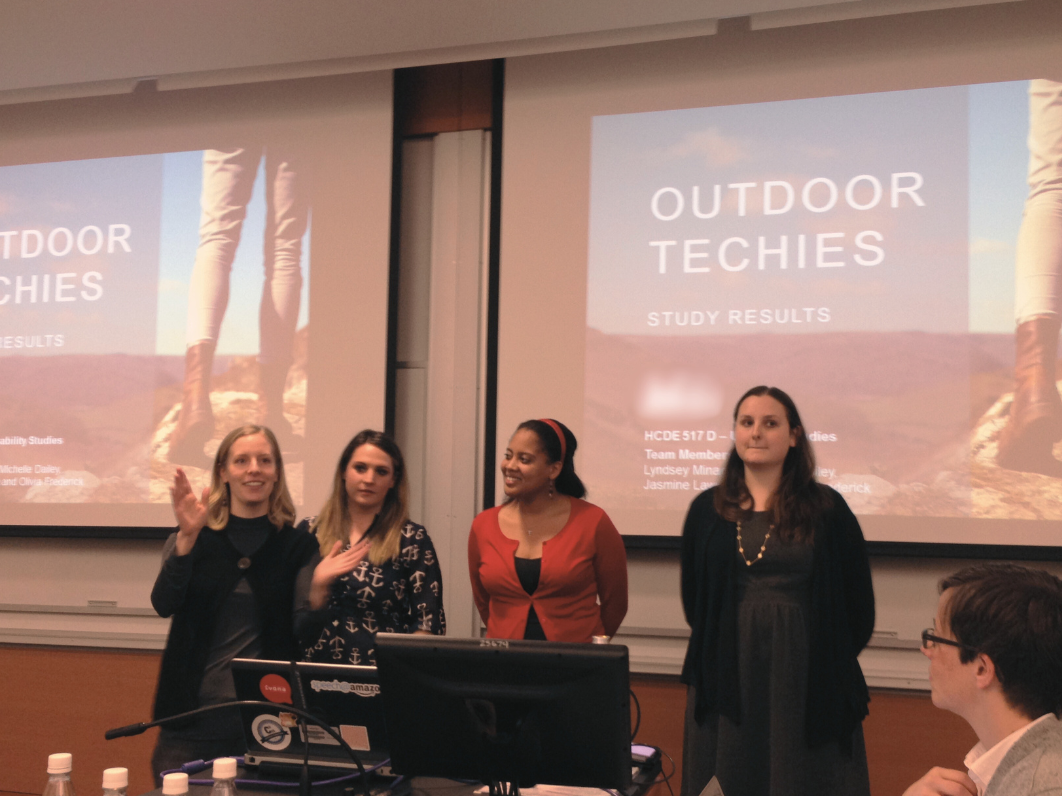
Working as a cross-functional team, we delivered actionable feedback that identified sources of user frustration and opportunities for improvement.
Key Takeaways
Actionable insights surfaced clear sources of user frustration and opportunity
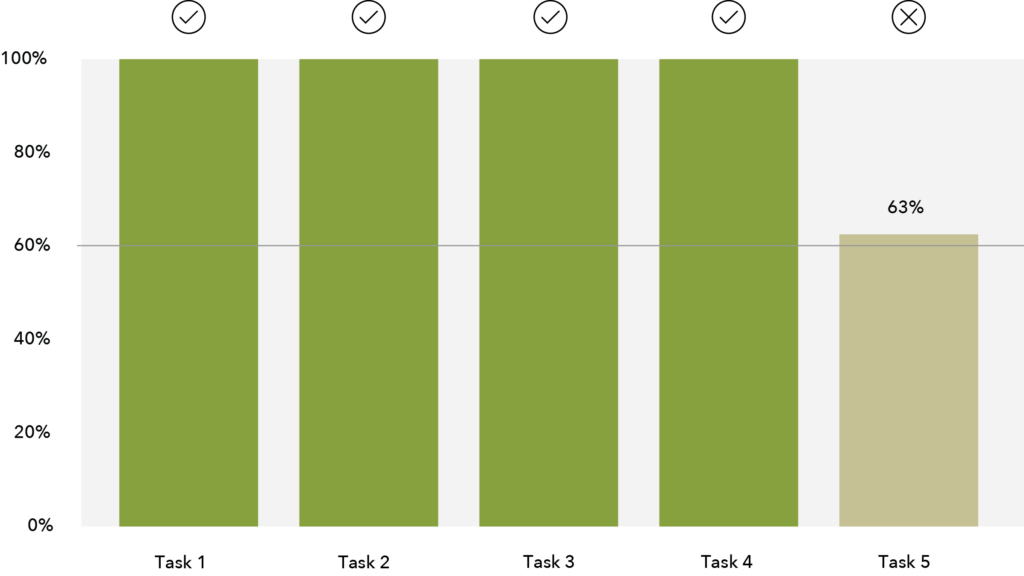
Only 63% of participants successfully found the cancellation policy, revealing a discoverability issue driven by hidden content and broken links
The registration flow tested well overall, with clear requirements and helpful error messaging that supported task completion